
Freight Claims
Case Studies
Real-world claims we handled for lithium battery logistics — how we assessed, negotiated, and resolved each situation for our clients.
"False Leakage" Caused by High-Altitude Temperature Differential
Spare lithium batteries for medical devices
USD 100,000
Hong Kong International Airport → Zurich, Switzerland
Abnormal condition upon arrival and independent survey assessment
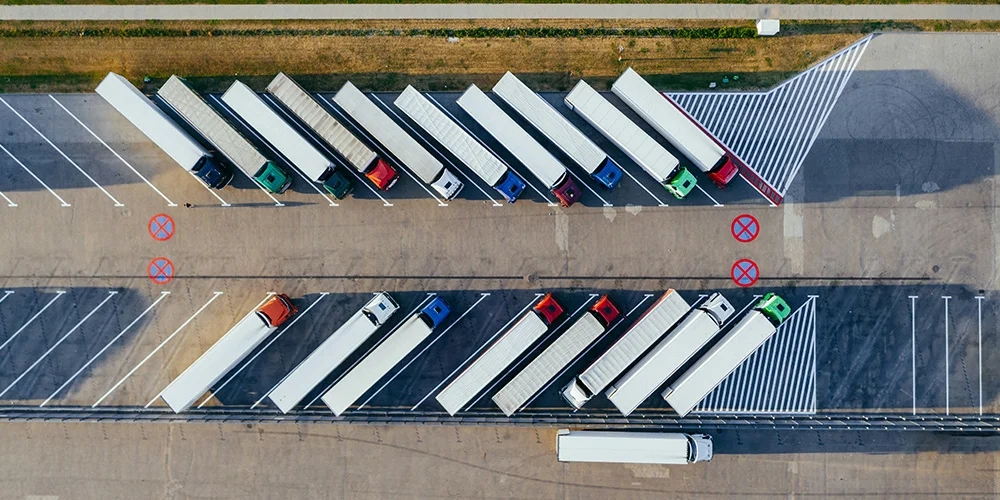
A consignment of specialty lithium batteries for medical equipment was shipped by air to Zurich. Upon collection at the cargo terminal, the consignee discovered an unknown liquid seeping from the bottom of several outer cartons. Suspecting a battery electrolyte leak, the consignee refused to accept the goods on the spot and demanded a full refund.
The airline insisted the issue was a product quality defect and flatly denied any liability. We understood the critical precision requirements of medical-grade batteries — once officially classified as a leakage incident, the entire shipment would have to be destroyed on-site, resulting in a total loss for our client.
We immediately engaged a local SGS (Société Générale de Surveillance) inspector to attend the cargo terminal and conduct a physical examination. The inspector collected samples of the liquid for laboratory analysis. The results were surprising: the substance was not battery electrolyte at all — it was ordinary condensation water.
The root cause was identified: during the flight at cruising altitude, the cargo hold temperature had dropped to extremely low levels. Upon landing in Zurich, the aircraft encountered an unusually hot and humid weather front, causing significant condensation to form on the outer plastic moisture-barrier film of the UN-certified packaging.
Armed with the SGS inspection report, the consignee's concerns were fully resolved and the goods were accepted without further dispute. Although we incurred EUR 2,000 in survey fees, we successfully preserved USD 100,000 worth of cargo for our client and averted what could have been a catastrophic return-and-destruction scenario.
Battery "Deep Discharge" Caused by Port Congestion
Smart wearable devices (containing lithium-ion coin-cell batteries)
USD 200,000
Yantian Port, Shenzhen → Port of Los Angeles, USA
Extended detention at destination port and battery over-discharge failure
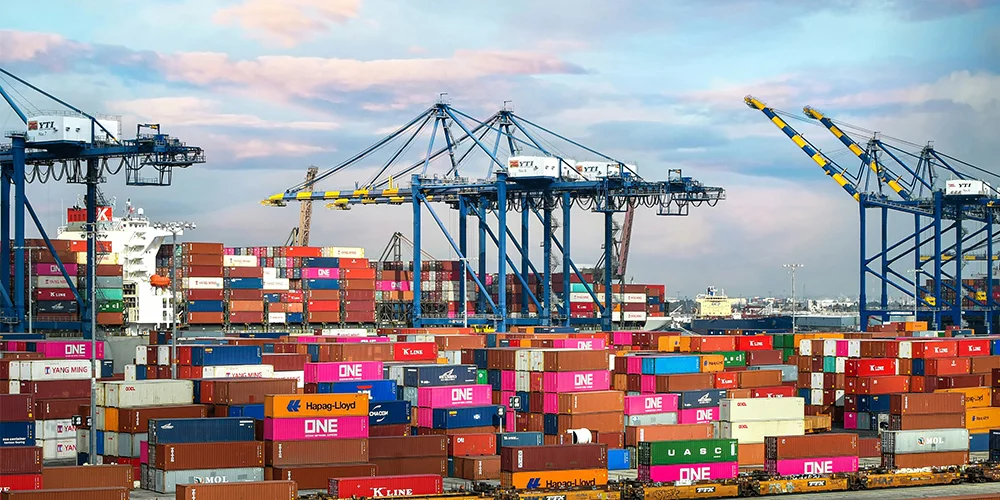
A shipment of smartwatches was dispatched by sea to Los Angeles. Unfortunately, the vessel arrived during a major labor strike at the US West Coast ports. The ship drifted at anchorage for nearly two months, and after finally berthing, the cargo sat in the terminal yard for an additional month.
By the time the client was able to take delivery — more than four months after the original shipment date — it was discovered that the built-in lithium batteries in the watches had suffered severe deep discharge, falling below the cell protection voltage threshold. The batteries had effectively "died" and could not be revived even after being connected to a charger.
The client demanded compensation from us. However, under standard sea freight terms, "deterioration of inherent cargo properties caused by delay (e.g., battery discharge)" typically falls within the carrier's exemption clauses, and we were not legally obligated to pay.
Rather than issuing a cold, formulaic rejection, we carefully assessed the situation. The strike was entirely beyond anyone's control, and we recognized that this client had been a long-standing, valued partner.
We activated our internal "Client Care Fund" and proactively covered the round-trip sea freight costs for returning the watches to China for battery replacement (approximately USD 20,000). We also assisted the client in applying to local customs for a "re-import for repair — duty exemption" arrangement.
While we did not compensate for the full cargo value, our commitment to standing by the client through a difficult situation earned us an exclusive full-year sea freight contract for the following year.
Need cargo
protection?
Talk to our team about coverage options and our Green Channel claims process. We respond within hours, not weeks.